
Author name: ferdous.tws@gmail.com

Uncategorized

CRAFTING ICONIC EXTERIORS FOR THE MODERN ERA

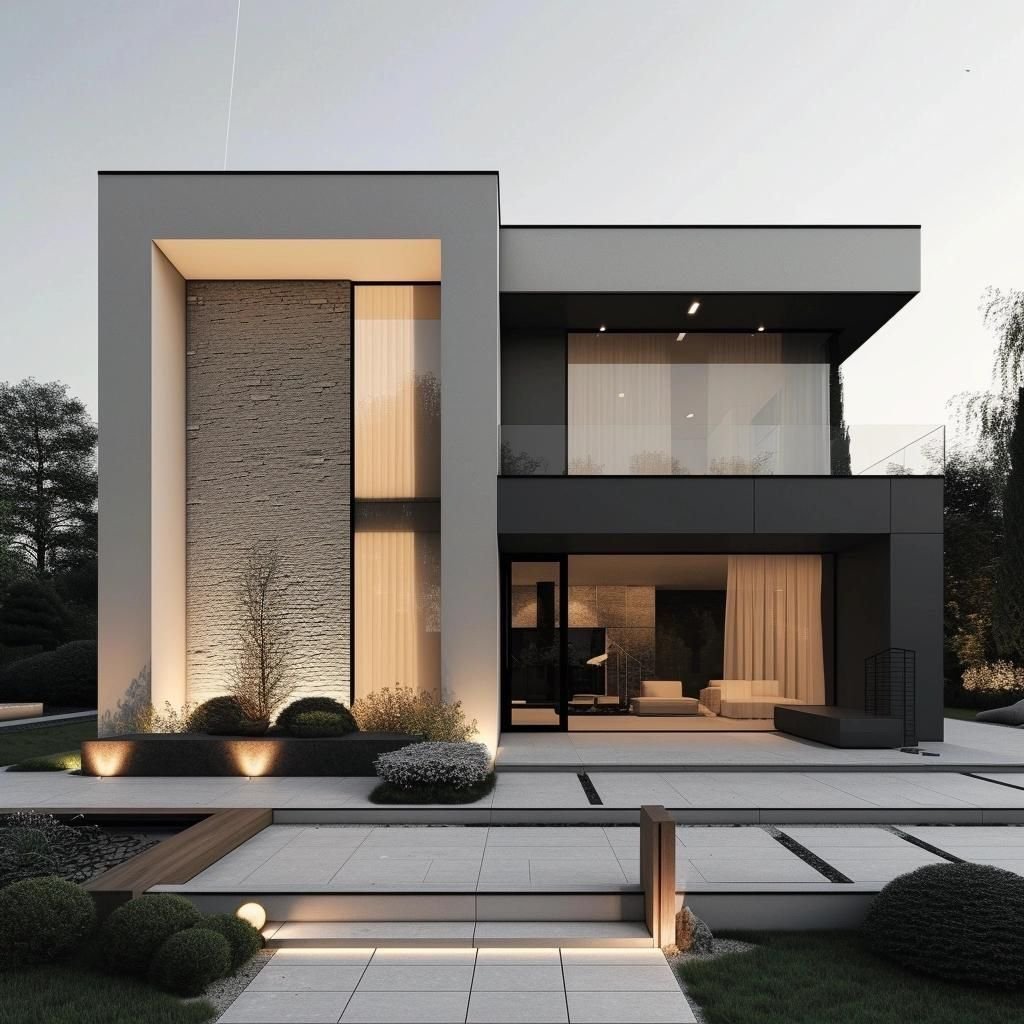
Defining Architectural Exterior Engineering: Exterior design is the sophisticated science of creating a building’s outer shell to ensure it is both structurally resilient and visually captivating. It is the skin of the architecture that mediates between the internal sanctuary and the external urban environment. A masterful exterior is not just a decorative layer; it is a complex integration of thermodynamics, material durability, and artistic expression. The Objective of Advanced Exterior Planning: The primary goal of a high-end exterior is to create a “Signature Identity.” In a crowded city, your property should serve as a landmark that commands attention. Effective exterior design goes beyond choosing a color palette; it involves analyzing the site’s topography, sun orientation, and surrounding infrastructure to create a facade that is functional yet breath-taking. At The Work Station, we shift the focus from traditional aesthetics to “Character Architecture.” We believe that the exterior must provide a narrative of what the building represents—be it corporate authority, residential warmth, or creative innovation. Without a professional exterior strategy, even the most expensive interior loses its context and value. Sustainable and Smart Material Selection: In 2026, the choice of materials defines the building’s longevity. We are moving away from basic plaster and paint toward smart materials like High-Pressure Laminates (HPL), ventilated rain-screen cladding, and self-cleaning glass. These materials are engineered to withstand the harsh humidity and pollution of metropolitan areas, ensuring that the building remains pristine for decades with minimal intervention. Integrated Security and Smart Lighting: Modern exteriors now incorporate security as part of the design. This includes “discreet surveillance integration” where cameras and sensors are hidden within architectural features. Lighting is no longer just for visibility; it is “Programmable Facade Lighting” that can change intensity and color based on the time of day or special occasions, turning the building into a living, glowing sculpture at night. Environmental Fluidity and Thermal Comfort: A major point often missed is how the exterior controls the building’s internal temperature. By using “Passive Design” techniques—such as louvers, shading fins, and double-glazed facades—you can reduce the heat gain inside the building. This not only makes the house cooler but also significantly slashes electricity bills. A smart exterior acts as a thermal shield, protecting the residents from the outside heat. Outdoor Wellness Spaces and Hardscaping: The exterior is not limited to the walls; it extends to the “Hardscaping”—the design of driveways, walkways, and boundary walls. Incorporating seamless transitions between the building and the garden through deckings and pergolas creates an outdoor wellness zone. This holistic approach ensures that every inch of your property, from the gate to the rooftop, is part of a unified design masterpiece.
Commercial

THE IMPACT OF COMMERCIAL INTERIOR DESIGN ON BUSINESS SUCCESS

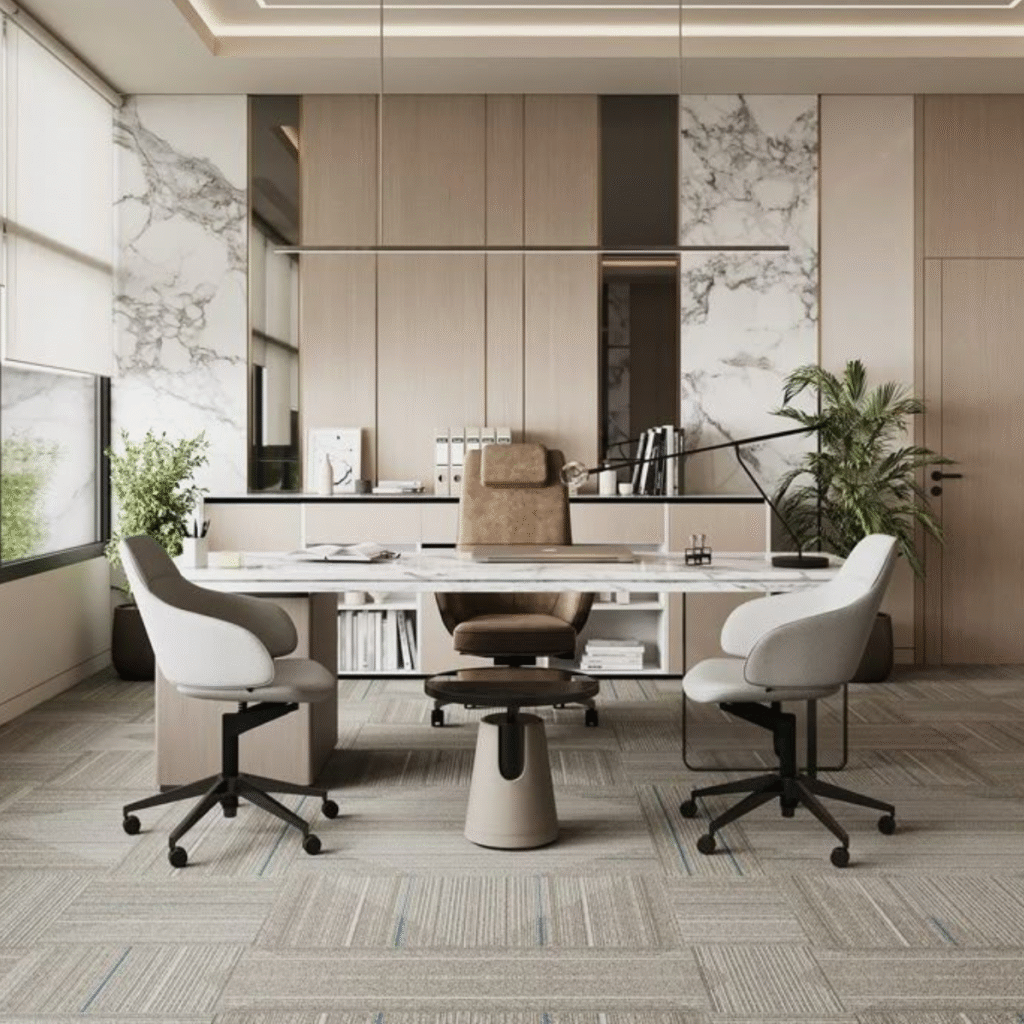
What is commercial interior design? Commercial interior design is the professional practice of planning and designing the interior spaces of business environments, such as corporate offices, retail stores, restaurants, and medical facilities. It focuses on creating a space that is not only visually appealing but also strategically structured to support the business’s goals, employee productivity, and customer experience. Strategic Planning for Modern Offices: The primary goal of a modern commercial interior is to create a seamless “Work-Life Flow.” In the past, offices were just rows of desks, but today, a high-quality interior design focuses on human-centric planning. This involves analyzing how movement happens within the space and ensuring that every square foot contributes to efficiency. A well-planned commercial studio can take a chaotic, noisy environment and transform it into a sophisticated, organized hub where ideas thrive. At The Work Station, we emphasize that your office is your most powerful branding tool. When a client walks through your doors, the textures, the furniture, and even the layout of your reception area should immediately establish trust and authority. An unplanned space often leads to wasted time and lower team morale, whereas a smart design ensures that the workspace grows with the business. The Role of Acoustic Management: A point that many overlook in commercial design is acoustics. In a busy city like Dhaka, external noise and internal echoes can drastically reduce concentration levels. Modern design solutions now include sound-absorbing wall panels, acoustic ceiling clouds, and strategic partitioning. By controlling the “soundscape” of your office, you provide your team with a sanctuary of focus, which is essential for high-level decision-making and creative tasks. Dynamic Flexibility and Collaborative Zones: Static offices are a thing of the past. Today’s businesses need “Agile Environments.” This means using modular furniture that can be easily rearranged for different projects and creating dedicated collaborative zones. These are informal spaces—think comfortable lounges or “break-out” corners—where team members can interact casually. This flexibility encourages spontaneous brainstorming and breaks the monotony of traditional desk-bound work. Biophilic Integration for Mental Clarity: Adding a natural element is no longer just about putting a plant in the corner. Biophilic design in commercial spaces involves maximizing window views, using organic materials like stone and reclaimed wood, and creating “living walls.” This connection to nature has been scientifically proven to reduce workplace stress and increase cognitive function, ensuring that your employees remain sharp and energized throughout the day.

Residential

Top Interior Design Secrets for Small Spaces

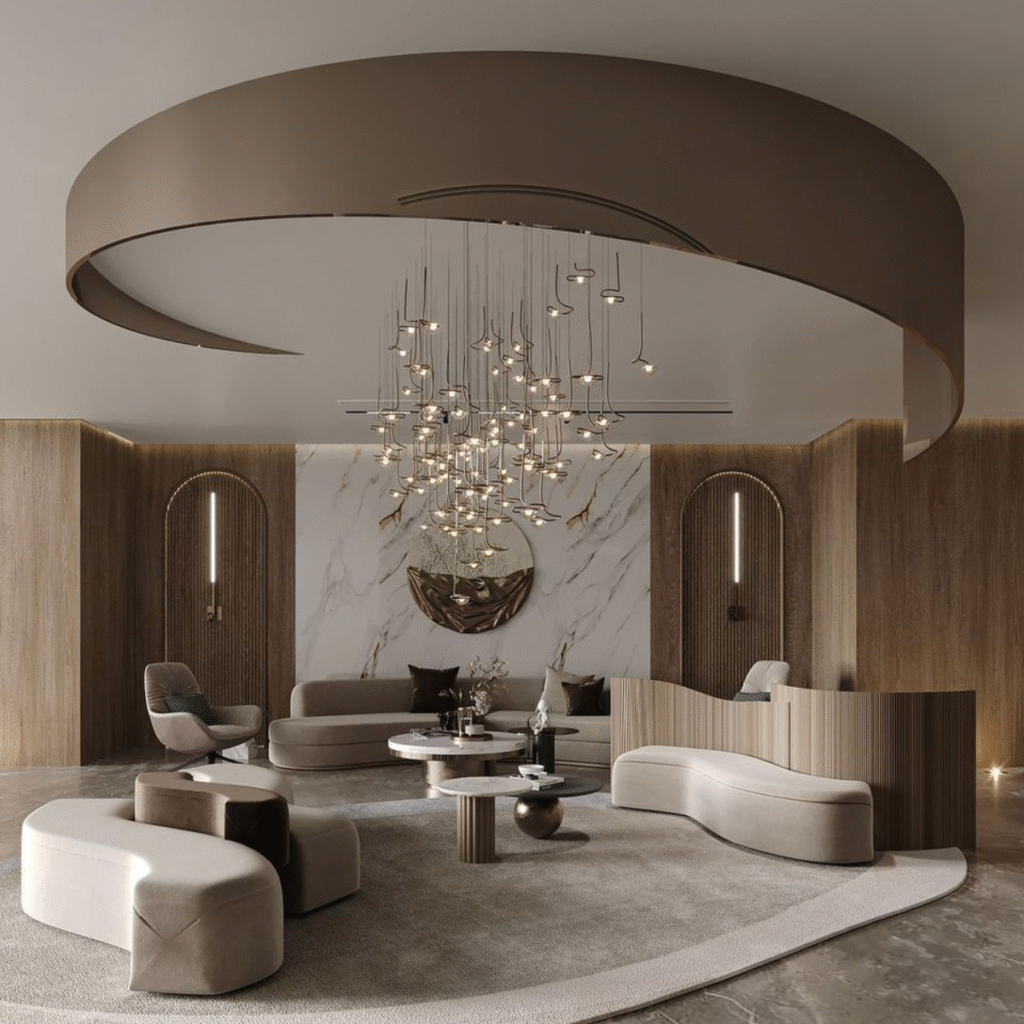
What is interior design? Interior design is the art of enhancing the interior of a building through proper use of spaces to present a healthier and more aesthetically pleasing and comfortable environment for people. Interior Design Essentials: In a rapidly growing city like Dhaka, small apartments and studios are becoming the standard. The primary challenge here is to prevent a compact home from feeling cramped or claustrophobic. High-quality interior design is the only way to transform a tight layout into an open, breathable environment. Whether you are moving into a new flat or renovating an old one, smart design choices can make even a 1000 sq. ft. space feel like 1500 sq. ft. The goal is simple: maximize every square inch. By using creative layouts and eliminating unnecessary clutter, you can turn a small house into a dream home where luxury meets necessity. Strategic Color Selection: For small spaces, your color palette is your best tool. Light-reflecting shades like soft ivory, misty grey, or pale sky blue are ideal. These colors create an optical illusion of depth, making the walls feel further away. Avoid using too many dark accents on the main walls, as they absorb light and shrink the room’s visual boundaries. Smart Furniture & Hidden Storage: Furniture should be chosen with a “dual-purpose” mindset. A bed with hidden hydraulic compartments or a coffee table that expands into a dining desk can save massive floor space. Utilizing vertical height with floor-to-ceiling cabinets ensures that your belongings are tucked away, leaving the floor area clear and organized. The Role of Mirrors and Lighting: Strategic placement of mirrors can instantly double the visual depth of a room. By placing a large mirror opposite a window, you not only bring in more light but also create a “window effect” on a solid wall. Coupled with layered lighting—such as warm spot lamps and sleek LED strips—you can define different areas within a single room, making the overall space feel much more sophisticated and expensive.

Scroll to Top